

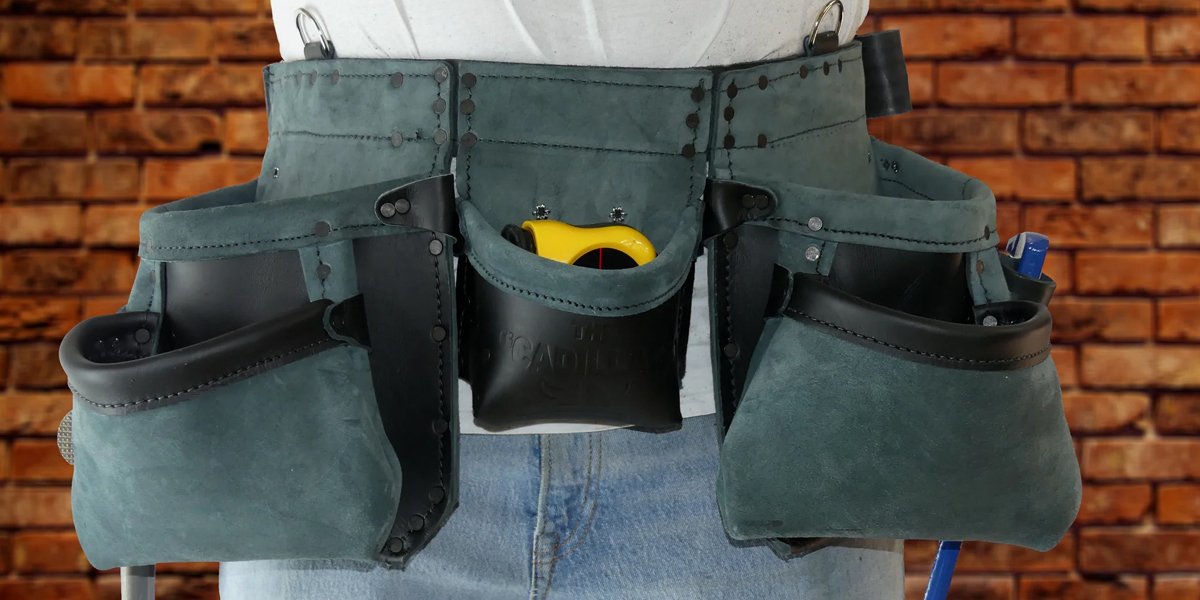
A leather tool belt is an essential item for professionals and DIY users who want better organization, comfort, and efficiency while working. Whether you are a carpenter, electrician, handyman, or someone working on home projects, the right tool belt can make your work easier and faster.
This blog explains how to choose the right leather tool belt, what features matter most, and why leather remains the preferred choice for long-term use.
Why Leather Tool Belts Are a Popular Choice
Leather tool belts have been used for years because they offer strength, comfort, and reliability.
Leather is a strong material that can handle heavy tools and daily wear. With proper care, a leather tool belt can last for many years without losing its shape or performance.
Another advantage of leather is comfort. Over time, leather softens and adjusts to your body, creating a more natural and comfortable fit compared to synthetic materials.
How to Choose the Right Size Tool Belt
Choosing the correct size is very important.
Always measure your waist where the belt will sit before buying. A tool belt that is too tight can cause discomfort, while a loose belt can affect balance and safety.
Look for a leather tool belt with adjustable straps or buckles. Adjustability allows you to wear the belt comfortably with different clothing layers and during long working hours.
Pocket Design and Tool Storage
Pocket design plays a major role in how useful a tool belt is.
Before buying, think about the tools you use most often. A good leather tool belt should have enough pockets to keep tools organized without feeling bulky.
Smaller pockets are ideal for screws, nails, and fasteners, while larger pockets should hold hand tools such as hammers, pliers, or measuring tape. A well-organized tool belt helps save time and improves workflow.
Leather Quality and Craftsmanship
Not all leather tool belts are the same.
High-quality tool belts are usually made from full-grain or top-grain leather, which is stronger and more durable. These types of leather resist tearing and wear better than lower-grade materials.
Strong stitching is also important. Double stitching and reinforced areas around pockets and belt connections increase the life of the tool belt and prevent damage under heavy use.
Comfort and Weight Distribution
Comfort is essential, especially for long workdays.
A well-designed leather tool belt distributes the weight of tools evenly across the waist and hips. This reduces pressure on the lower back and helps prevent fatigue.
An ergonomic design allows natural movement while keeping tools secure and accessible throughout the day.
Final Thoughts
Choosing the right leather tool belt is an investment in comfort, efficiency, and durability. By focusing on size, pocket layout, leather quality, and craftsmanship, you can find a tool belt that supports your work and lasts for years.
A well-made leather tool belt improves organization, reduces strain, and helps you work more confidently—whether you are a professional or a DIY enthusiast.
❓ Frequently Asked Questions (SEO-Optimized)
What is the best material for a tool belt?
Leather is considered the best material because it is durable, comfortable, and long-lasting. It also becomes more flexible over time.
How long does a leather tool belt last?
With proper care, a high-quality leather tool belt can last many years, even with daily use.
Are leather tool belts comfortable for long hours?
Yes. Leather molds to your body over time and distributes weight evenly, making it comfortable for extended work periods.
How do I maintain a leather tool belt?
Clean it regularly with a dry cloth and apply leather conditioner occasionally to keep it soft and prevent cracking.
🔍 Internal Linking Suggestions (Very Important for SEO)
Add links in this blog to:
-
Your Leather Tool Belt product pages
-
A Leather Care Guide blog (if available)
-
A Work Tools or Accessories category